
Chiropractic adjustment
Hands-on and instrument-assisted work for necks, mid-backs and lumbar joints that have stopped moving the way they should.
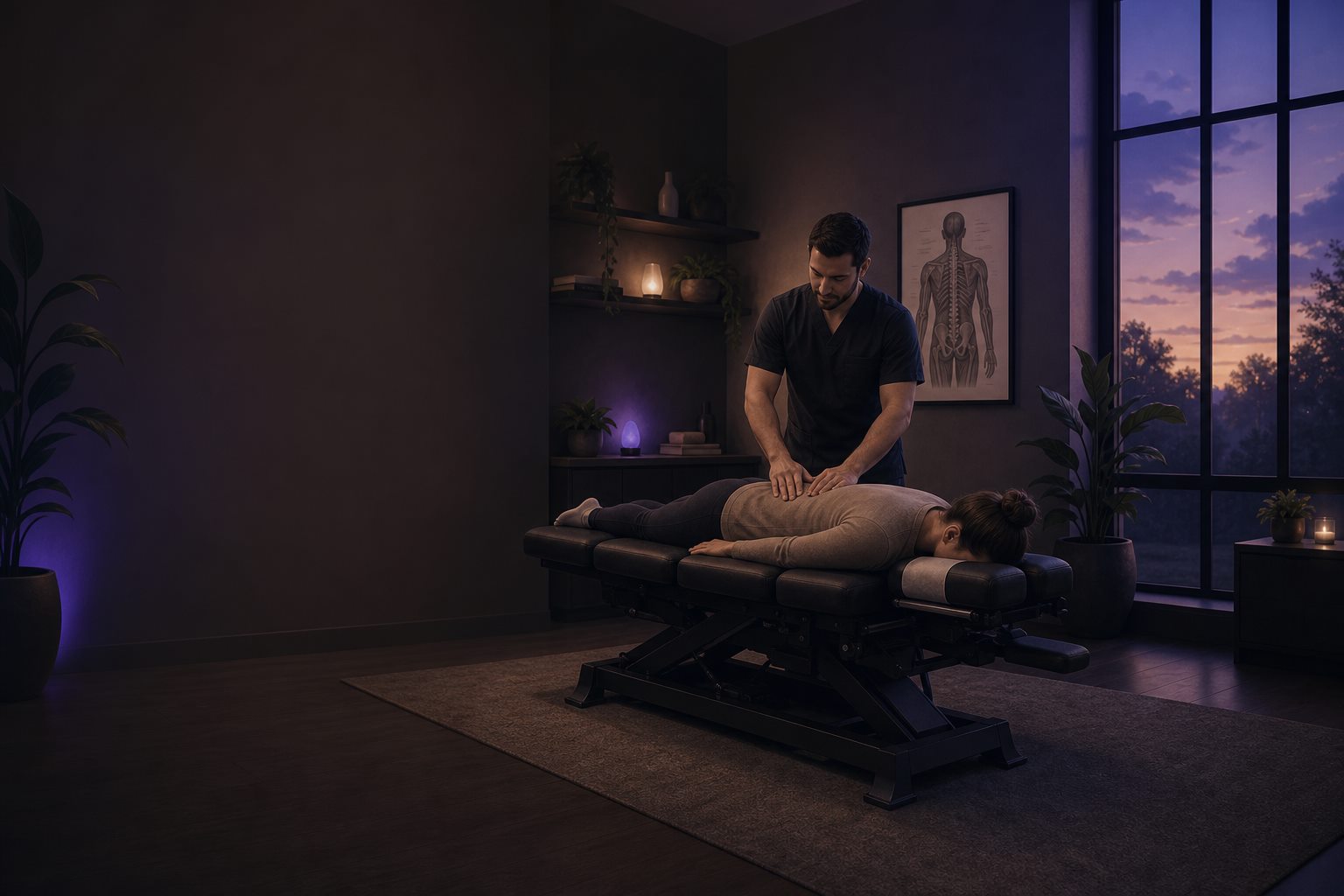
Dr. Audra Moran works with adults whose backs, necks and hips have been complaining for a while — with adjustments, soft-tissue and regenerative-leaning care, and a visit count she will tell you up front.
Most people arrive here after months of managing it themselves. Each path below starts with the same exam and ends with a plan you can hold us to.
Hands-on and instrument-assisted work for necks, mid-backs and lumbar joints that have stopped moving the way they should.
Traction, decompression positioning and graded loading for the leg pain and numbness that keeps you standing up during meetings.
Percussive and manual tissue work, laser and recovery protocols for tendons and joints that never fully settled after the first injury.
For the 45-minute commute plus nine hours at a laptop: mobility homework, chair and seat setup, and adjustments that hold between visits.
I would rather lose a patient to honesty than keep one on a schedule they do not need. If your spine is done needing me, you are done.
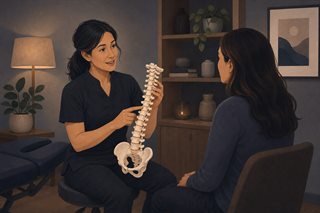
Preferred is a single-clinician practice in Suite C, which means the person who examines you is the person who adjusts you next month. Nothing gets handed off, and nothing gets forgotten between visits.
Care here leans on two things together: the adjustment, and what happens to the tissue around it. That combination is why chronic cases — the ones already through two rounds of “rest and see” — tend to move faster than people expect.
Adults are the practice. No pediatric care, no group packages sold at the front desk, no automatic re-signing. You get a visit count, a discharge point and a standing invitation to come back if it flares.
Names changed, numbers not. Every plan at Preferred starts with an estimate like these — and gets revised out loud if the body disagrees.
4 visits · 3 weeks
Grant Park renovator, six weeks of stiffness before getting out of bed. Lumbar joints locked, hips doing none of the work. Adjustments plus two hip drills at home.
Pain-free mornings by week three, released with a check-in at 90 days.
9 visits · 7 weeks
Beltline runner with calf numbness on every long run. Disc-related, not a hamstring. Decompression positioning, tissue work along the path, mileage rebuilt in stages.
Back to 10-mile runs, no numbness at the finish.
12 weeks · documented
Neck and shoulder pain three days after the collision, headaches by week two. Gentle early care, then loading — with exam notes written properly for the claim.
Headaches gone by week five, full range restored, records filed on time.
Pressure, yes. Pain, no — and if a joint is too irritated to adjust on day one, we work around it with tissue and traction until it settles. You will always be told what is about to happen before it happens.
No referral. Imaging only when the exam calls for it, and we will say why. If your case belongs with a surgeon, neurologist or physical therapist instead, you will hear that at the first visit, not the fifth.
We are out of network and give you an itemised superbill for reimbursement. Auto-injury cases get exam notes and visit records written the way adjusters expect, at no extra charge.
Most acute cases land between four and nine visits. Chronic and disc-related cases run longer and get re-checked every fourth visit. You will get a number at the exam, and you will hear about it if that number changes.
Free spaces sit right outside Suite C, and there is more room along the side of the building. From I-20 it is about four minutes; the Beltline’s Southside Trail is a short walk away.
Requests sent before 4pm get a call back the same working day. Mon and Wed run late, until 6:30.